
SECTION 01
The business in brief
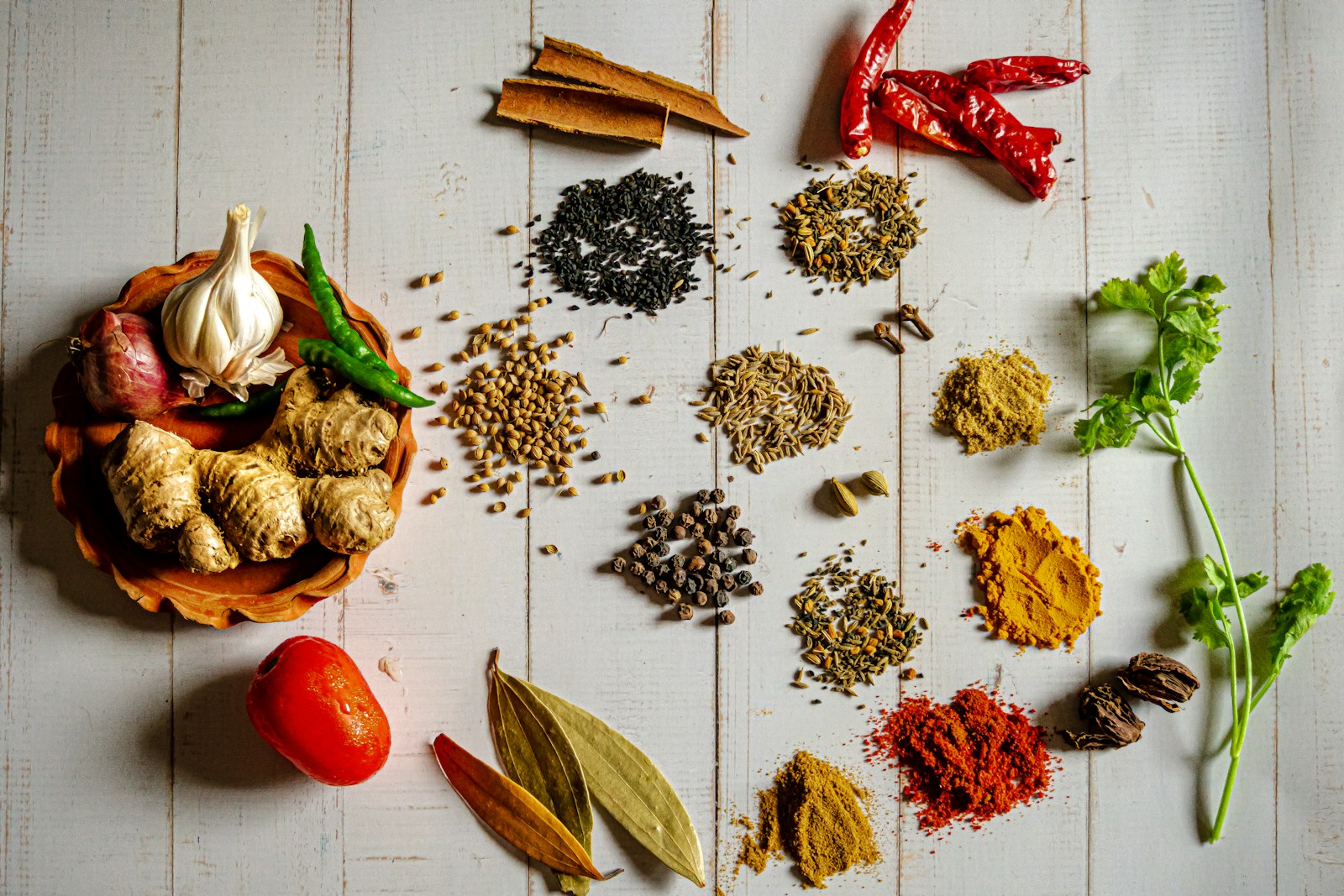
Shelf-stable food can become a real brand when the flavor has a clear point of view. The winning product is not 'another hot sauce'; it is a repeatable flavor people can describe, gift and reorder.
Keep the first line small. Validate the recipe, co-packer, shelf life, labels and shipping before adding variants. Markets provide fast feedback, while direct bundles and restaurant collaborations increase the average order.
SECTION 02
How to execute, step by step
- 1
Name the flavor promise
Decide what meal or moment the product makes better. Distinct use cases help shoppers understand it quickly.
- 2
Validate the formula
Run blind tastings and document batch weights, allergens, shelf life and production tolerances.
- 3
Choose compliant production
Research local food rules, commercial kitchen requirements, labels and insurance before taking paid orders.
- 4
Build a three-SKU launch
One hero product, one complementary flavor and one bundle are enough to learn what reorders.
- 5
Turn sampling into email
Collect permission at markets and follow up with recipes, bundles and reorder reminders.
SECTION 03
Market conditions right now
$24B
US spices and seasonings market
PREMIUM FLAVOR STORIES CREATE SHELF SPACE
$12–$18
common direct bundle
GIFTABLE PACKS LIFT ORDER VALUE
3
starter SKUs
FOCUS PROTECTS CASH AND OPERATIONS
Small food brands win when they create a specific ritual. A signature rub for weeknight grilling, a sauce for eggs or a finishing salt for hosts is easier to remember than a broad catalog. The product earns attention once; the ritual earns the reorder.
SECTION 04
Income potential, by stage
MONTHS 1–3 · MARKET VALIDATION
Sampling and small batches reveal the hero product and repeat use case.
$1k–$5k / mo
MONTHS 4–12 · DIRECT BUNDLES
Gift packs, recipes and restaurant placements add reliable channels.
$6k–$18k / mo
YEAR 2+ · WHOLESALE
A co-packer and distributor expand reach after direct demand is proven.
$20k–$45k / mo
RANGES REFLECT TYPICAL OPERATOR OUTCOMES FROM PUBLIC FINANCIALS AND INTERVIEWS - NOT GUARANTEES. EXECUTION, MARKET AND LOCATION MOVE EVERY NUMBER.
SECTION 05
Who this business is ideal for
- Operators who want a focused, service-led business
- Founders willing to sell locally before scaling
- People who value repeat customers over one-off transactions
SECTION 06
Risks - and the fixes
Demand is uneven in the first few months
Pre-sell a small launch area and keep a weekly outreach quota until repeat demand takes over.
Margins disappear when the offer is too broad
Start with one profitable customer and one clear promise, then add adjacent services only after capacity is full.
Founder becomes the only delivery system
Document every job, quote and follow-up from the first week so a contractor can take over repeatable work.
SECTION 07
The starter stack
Shopify StarterAFFILIATE PICK
Collect deposits, sell packages and capture leads from a simple storefront
Google Business Profile
Turn local intent into calls, reviews and route-dense bookings
Jobber
Schedule visits, automate reminders and request reviews after delivery
SECTION 08
How to start a specialty spice brand business - FAQ
A careful launch often costs $3,500–$14,000 for recipes, compliant production, packaging, labels, insurance, initial inventory and sampling.
Requirements vary by product and location. Research cottage-food limits and commercial-kitchen rules before selling.
Design the product around a repeatable meal, publish useful recipes and sell bundles that make reordering easy.
KEEP RESEARCHING
Related blueprints
How to Start a Coffee Cart Business
A wheeled espresso bar for weddings, offices, farmers markets and film sets. $8–$350 per event ticket, no lease, no kitchen build-out - and catering contracts that pay before you pull a single shot.
- STARTUP CAPITAL
- $5k–$15k
- MONTHLY POTENTIAL
- $3k–$10k
- EFFORT
- PAYBACK
- 3–7 months
How to Start a Meal Prep Delivery Business
Weekly subscription boxes of macro-counted, ready-to-heat meals for gym-goers, busy parents and medical-diets. Cook one day, deliver one day, bill weekly - a kitchen with a spreadsheet is the whole operation.
- STARTUP CAPITAL
- $6k–$25k
- MONTHLY POTENTIAL
- $6k–$20k
- EFFORT
- PAYBACK
- 5–10 months
How to Start a Food Truck Business
A branded kitchen on wheels: lunch corridors, breweries, festivals - plus corporate catering that pays double street revenue. Higher capital than a cart, but the ceiling and the exit value are real assets.
- STARTUP CAPITAL
- $35k–$110k
- MONTHLY POTENTIAL
- $10k–$35k
- EFFORT
- PAYBACK
- 12–24 months